The Invisible Code: How Player Data Fuels Blackjack Offer Customization in Virtual Casinos
Written by Carlo Neumann · Jun 24, 2026
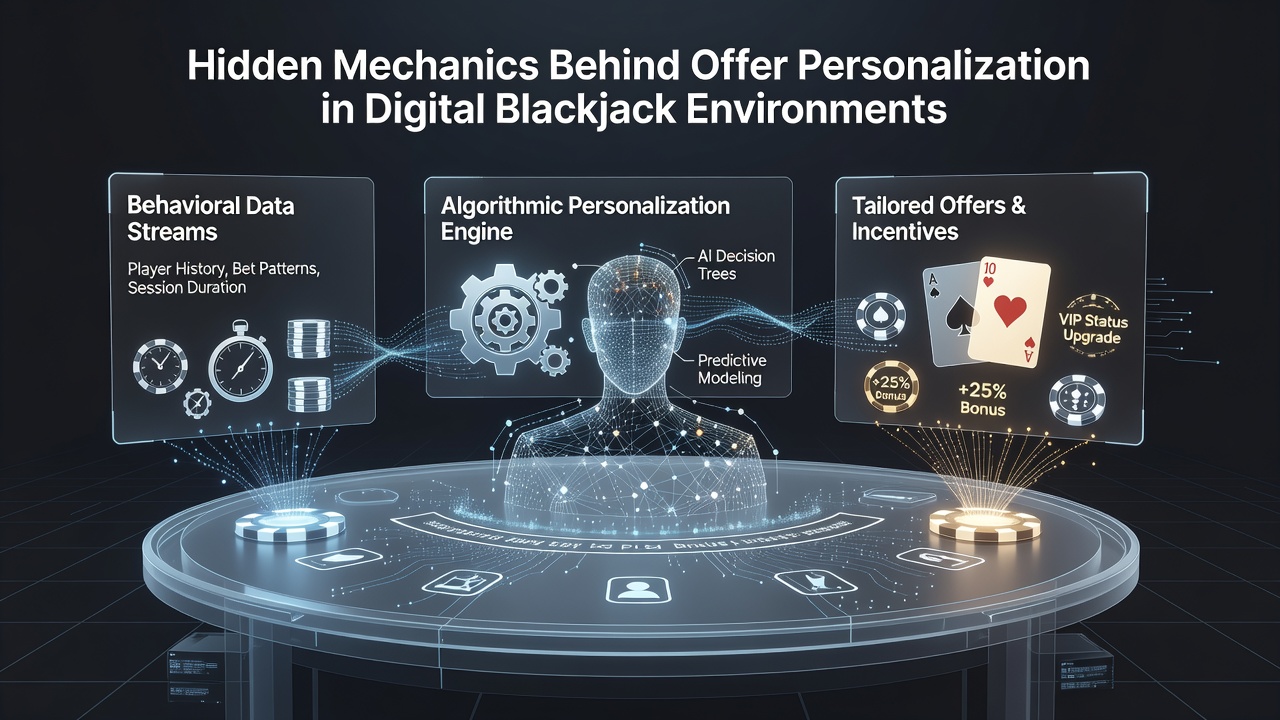
The Invisible Code: How Player Data Fuels Blackjack Offer Customization in Virtual Casinos
Digital blackjack platforms rely on layered data systems that track every hand, bet size, session length, and device interaction to shape offers that appear unique to each player, and these systems operate through a combination of real-time analytics and stored behavioral profiles rather than simple random rewards.
Data Collection Layers in Online Blackjack Platforms
Operators gather information from multiple sources including login patterns, wager history, preferred table limits, and even the time of day when players tend to log in, which allows segmentation engines to group users into categories such as high-frequency recreational players or those who chase specific side bets. These categories feed directly into offer-generation modules that adjust bonus structures accordingly, and platforms often integrate third-party data brokers to supplement internal records with broader consumer profiles when permitted by jurisdiction.
Geolocation signals combined with account creation details help determine eligibility for region-specific promotions, while device fingerprinting tracks whether a player switches between mobile and desktop environments during the same session. Such cross-device monitoring creates a continuous profile that updates after every round, and this constant refresh cycle means an offer presented on Monday morning can differ substantially from one generated the following evening based solely on accumulated play metrics.
Algorithmic Decision Engines at Work
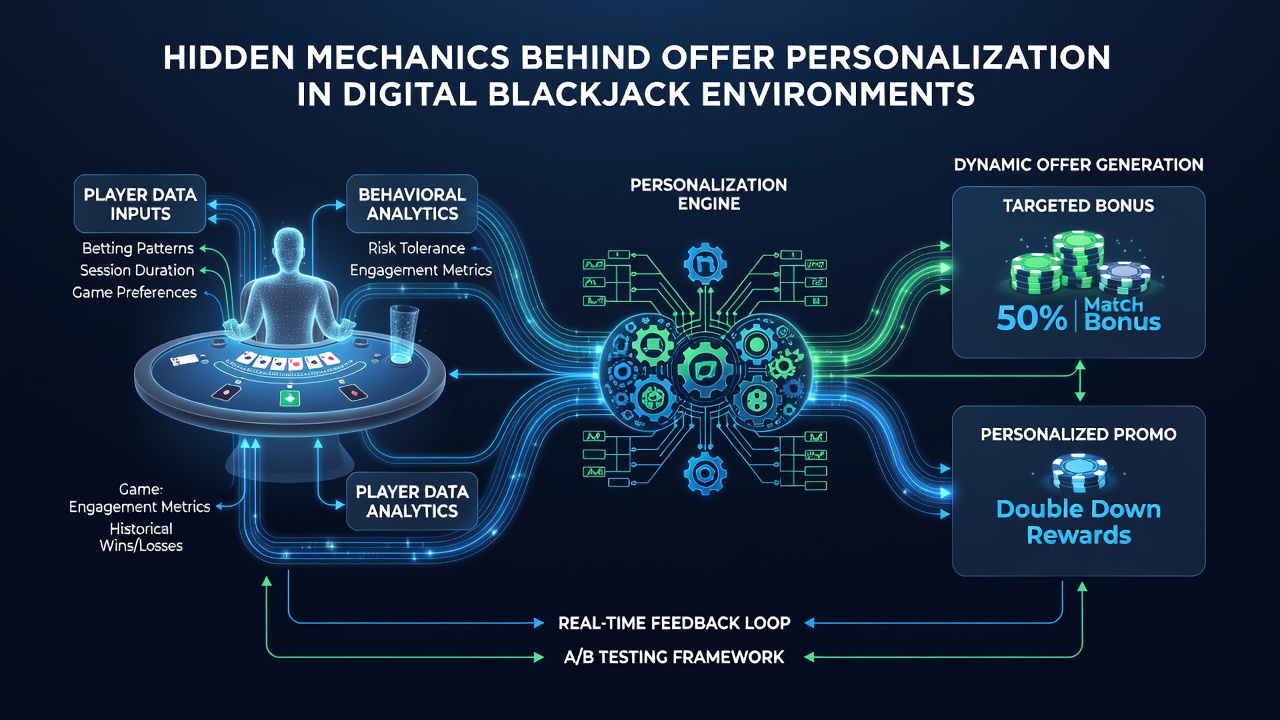
Machine learning models process the incoming data streams to predict which incentive types will extend play sessions, and these models weigh variables like average bet variance against historical response rates to similar offers across the player base. Reinforcement learning components then test small variations in bonus value or wagering requirements on subsets of users before scaling successful configurations more broadly. Observers note that the process resembles A/B testing conducted at population scale, where each interaction refines the underlying probability weights without requiring manual intervention from marketing teams.
Behavioral Triggers and Timing Mechanisms
Systems monitor for specific in-game events such as a sudden increase in bet size after a losing streak or prolonged inactivity following a win, and these triggers activate tailored messages or deposit matches designed to re-engage the player within minutes. Timing algorithms factor in external variables including major sporting events or paydays in certain regions to align offers with periods when disposable income tends to rise. One study revealed that platforms using such event-driven personalization recorded measurable lifts in session duration compared with static bonus schedules, though exact percentages vary by market.
Cross-Platform Offer Synchronization
Multi-state operators maintain centralized data lakes that merge activity from separate regulated markets, enabling consistent personalization logic even when local rules differ on bonus caps or game variants. When a player relocates or accesses the platform through a new IP address, the system reconciles prior records with fresh jurisdictional constraints before generating an offer. This synchronization reduces duplication while preserving the appearance of individualized treatment, and data shows that players who move between states often receive continuity adjustments that account for previously claimed promotions.
Privacy regulations in several jurisdictions now require explicit consent for certain data-sharing practices, which has prompted some platforms to implement granular opt-in toggles that still allow core personalization to function on anonymized aggregates. As June 2026 approaches, several states are scheduled to review updated data-protection statutes that may further influence how long behavioral profiles can be retained before mandatory deletion or re-consent cycles begin.
Integration with Loyalty and Retention Systems
Personalized blackjack offers frequently intersect with tiered loyalty structures, where the same underlying algorithms determine both immediate bonuses and long-term reward escalations. Points earned through play feed back into the segmentation models, creating a feedback loop that adjusts future incentives based on cumulative lifetime value calculations. Industry reports from the American Gaming Association indicate that operators increasingly rely on these closed-loop systems to allocate marketing budgets more precisely across their player portfolios.
Researchers at institutions studying digital gambling behavior have documented how small adjustments in offer framing, such as presenting a match bonus as a percentage versus a fixed amount, produce different uptake rates depending on the player's historical deposit patterns. These findings feed into the same engines that power real-time customization, and the resulting refinements occur continuously rather than through periodic manual reviews.
Conclusion
The mechanics behind offer personalization in digital blackjack environments rest on interconnected data pipelines, predictive models, and regulatory compliance layers that together determine which incentives reach individual accounts. As platforms continue to refine these systems ahead of evolving legal frameworks scheduled for mid-2026, the underlying processes remain focused on measurable engagement metrics derived from aggregated player activity across multiple touchpoints.