Segmented Blackjack Incentives: Casinos Leverage User Metrics for Personalized Rewards
Written by Ellis Albrecht · Aug 19, 2026
Segmented Blackjack Incentives: Casinos Leverage User Metrics for Personalized Rewards
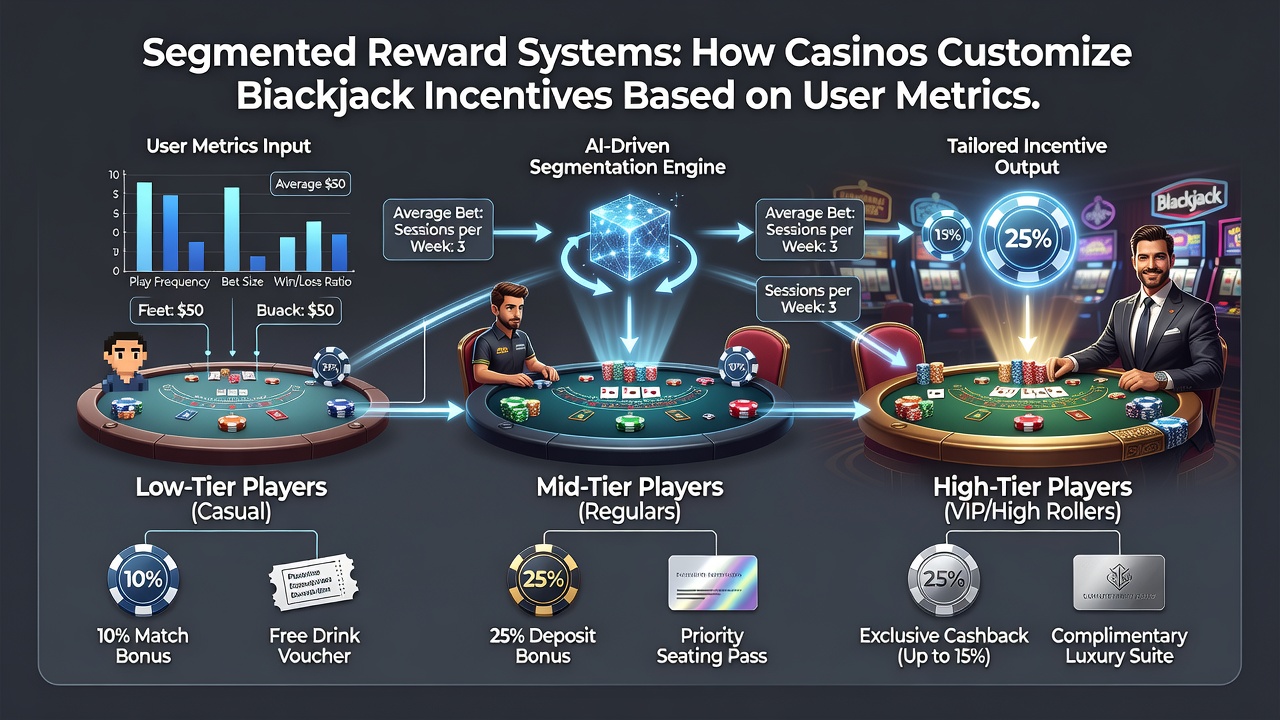
Modern casinos track detailed player metrics to divide blackjack participants into distinct groups, then deliver incentives matched to each segment's habits and value. Data from loyalty cards, session length, average bet size, and frequency of play feed into algorithms that sort users automatically. This approach allows operators to allocate marketing budgets more precisely while maintaining regulatory compliance across multiple jurisdictions.
How Metrics Shape Player Segments
Casinos collect information on hands played per hour, win-loss ratios, and device preferences to build profiles that evolve over time. High-frequency players who favor certain table limits often receive different offers than occasional visitors who place larger bets during short visits. Research from the University of Nevada, Las Vegas Center for Gaming Research shows these categories shift when new data arrives, prompting automatic adjustments to reward tiers.
Segmentation also considers geographic indicators and time-of-play patterns. Players logging in during peak evening hours might see promotions tied to live dealer tables, whereas daytime mobile users encounter offers focused on speed-of-play bonuses. The system updates profiles continuously, so a shift in betting behavior can move someone between segments within days.
Implementation Across Regulated Markets
Operators in Nevada and New Jersey integrate segmentation tools with state-mandated reporting systems to ensure offers remain within legal boundaries. Data indicates that casinos using these methods adjust incentive structures quarterly, incorporating feedback from actual redemption rates. In August 2026, several platforms plan to refine their models further as new player-tracking regulations take effect in additional states.
Multi-state operators face extra complexity because each jurisdiction maintains separate rules on bonus advertising and player eligibility. Segmentation engines therefore apply location filters before generating any offer, preventing accidental distribution of ineligible rewards. This layered filtering reduces compliance risks while still allowing tailored experiences for qualifying users.
Examples of Segment-Specific Rewards
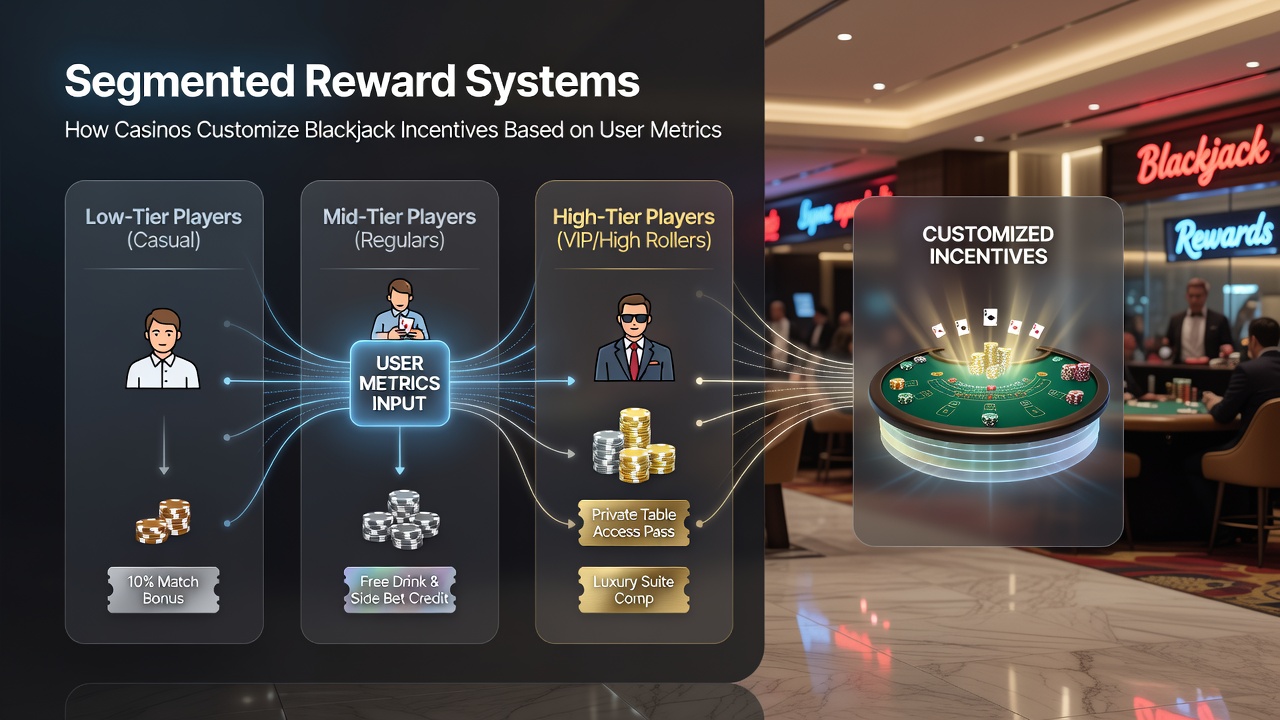
Low-volume recreational players might receive small deposit-match credits after completing a set number of hands, encouraging longer sessions without large outlays. Mid-tier participants often see cashback percentages scaled to their recent activity, while top segments gain access to private tournaments or reduced-rake events. Each reward type ties directly to measurable behaviors captured during play.
One documented case involved a platform that noticed a cluster of users increasing their average bet size after receiving free-hand vouchers. The operator expanded that mechanic to similar profiles in the same segment, resulting in higher engagement rates across the group. Such adjustments happen regularly as new patterns emerge from ongoing data collection.
Technical Infrastructure Behind Customization
Real-time analytics platforms connect directly to game servers, pulling metrics every few seconds and feeding them into clustering models. These models rely on variables such as session variance, preferred blackjack variants, and response rates to prior offers. Machine-learning components refine the clusters continuously, allowing casinos to test new segment definitions without manual intervention.
Security protocols encrypt player data at multiple stages to meet standards set by bodies like the New Jersey Division of Gaming Enforcement. Audits verify that segmentation logic does not create unfair advantages or violate responsible-gaming guidelines. Operators document every rule change so regulators can trace how offers reach specific user groups.
Future Adjustments Expected by August 2026
Industry observers note that upcoming software updates will incorporate additional data points such as device sensor information and cross-game activity. These enhancements aim to create finer distinctions within existing segments, particularly for players who split time between online and land-based blackjack. Regulatory filings in several jurisdictions already reference these planned upgrades.
Stakeholders continue to monitor redemption data and player feedback to calibrate the balance between incentive generosity and operational costs. The process remains iterative, with each cycle building on performance metrics from the previous period.
Conclusion
Segmented reward systems represent a data-intensive method for aligning blackjack incentives with individual player profiles. Through continuous metric collection and automated clustering, casinos deliver offers that reflect actual behavior while adhering to regulatory requirements. As platforms prepare for August 2026 updates, the underlying segmentation frameworks will likely grow more granular, further refining how rewards reach different user groups across regulated markets.