Device-Specific Variations in Blackjack Incentive Structures Across Regulated Markets
Written by Clara Powell · Jun 10, 2026
Device-Specific Variations in Blackjack Incentive Structures Across Regulated Markets
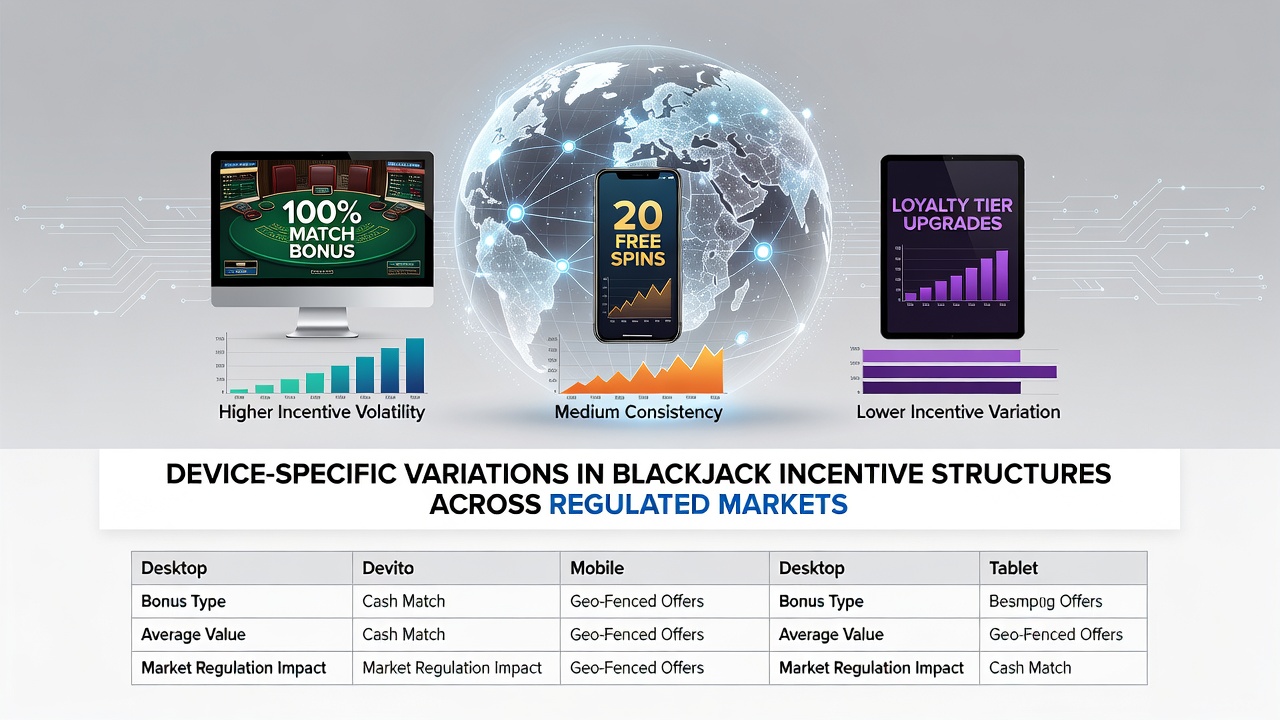
Regulated markets show clear differences in how blackjack incentives get structured when players switch between mobile devices, desktop platforms, and tablets. Operators adjust bonus amounts, wagering requirements, and eligibility rules based on the hardware in use, and data from multiple jurisdictions confirms these patterns hold steady across state lines and international borders. In June 2026, several North American regulators released updated compliance reports that highlighted ongoing adjustments to device-based promotions.
Mobile Platforms and Adjusted Reward Parameters
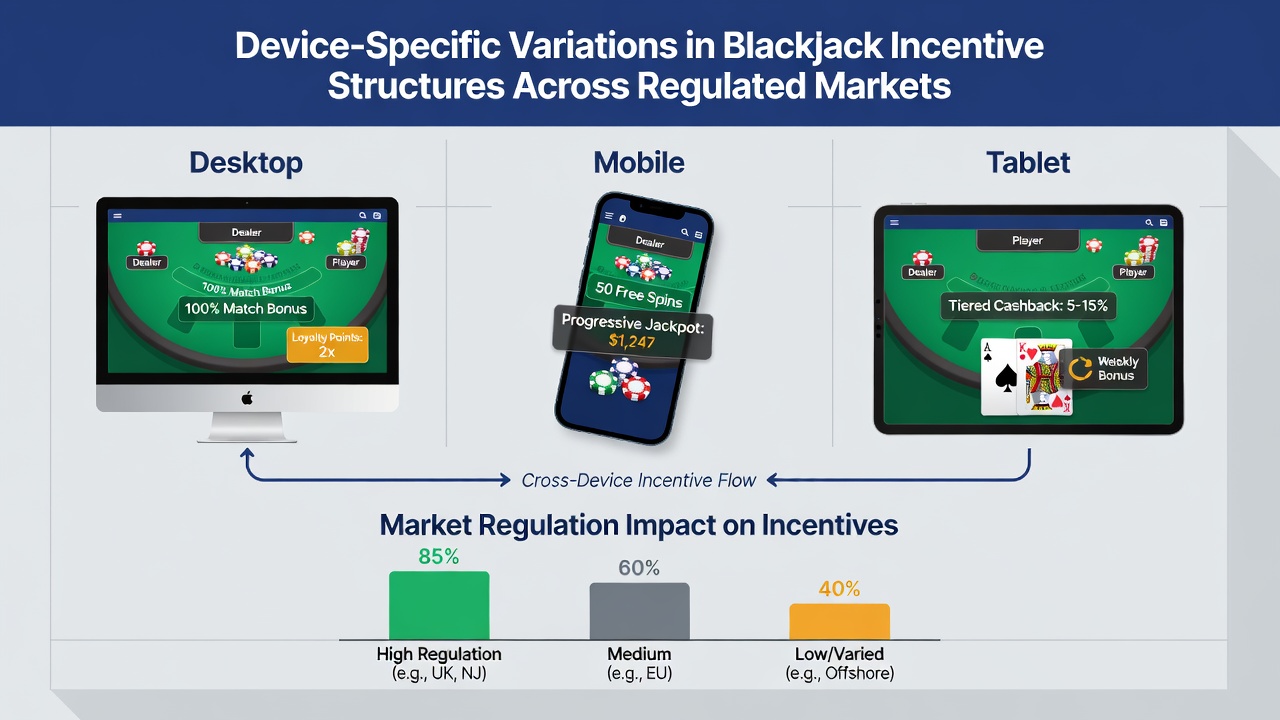
Mobile users encounter incentive structures that frequently incorporate shorter play sessions and reduced minimum deposit thresholds compared to desktop equivalents. Operators in Pennsylvania and Michigan have documented higher redemption rates for mobile-specific codes that trigger instant match bonuses on smartphone apps, while desktop versions require additional verification steps before funds appear in player accounts. These variations stem from technical capabilities, since mobile interfaces support push notifications that desktop browsers cannot replicate at the same speed.
Research from multi-state operators indicates mobile blackjack promotions often feature time-limited elements tied to GPS location data. Players accessing offers through tablets sometimes receive hybrid terms that blend mobile flexibility with desktop-level wagering multipliers, creating a middle tier that appeals to users who alternate between devices during extended sessions.
Desktop Configurations and Layered Verification
Desktop environments allow for more complex incentive layering because larger screen real estate supports detailed terms displays and multiple bonus selection windows. Regulated platforms in New Jersey have reported that desktop blackjack bonuses frequently include stacked rewards where an initial deposit match combines with loyalty points earned through table game volume. Data compiled by the Pennsylvania Gaming Control Board shows desktop players trigger higher average bet sizes, which in turn unlocks tiered cashback percentages unavailable through mobile channels.
Those who study cross-platform behavior note that desktop incentives sometimes require software downloads or account linkages that mobile apps bypass entirely. This technical distinction leads operators to assign different expiration windows, with desktop offers remaining active for longer periods while mobile codes expire within 48 hours of issuance.
International Market Contrasts in Device-Based Offers
Canadian operators regulated by the Alcohol and Gaming Commission of Ontario apply device-specific rules that emphasize responsible gaming features more prominently on mobile interfaces. Figures released in early 2026 revealed that Ontario platforms delivered higher free spin allocations through tablet apps than through desktop logins, reflecting differences in session duration data collected across device types. Australian markets, governed by state-level authorities, show similar splits where mobile blackjack incentives incorporate mandatory break reminders that desktop versions handle through optional pop-ups.
European jurisdictions outside the UK maintain their own patterns. Operators in Malta and Sweden adjust bonus percentages according to device detection, with mobile users receiving percentage boosts that offset higher data usage costs associated with live dealer streams. These adjustments appear consistently in quarterly reports issued by local gaming authorities.
Regulatory Oversight and Compliance Adjustments
Regulators track device variations to ensure fairness across player segments. The New Jersey Division of Gaming Enforcement requires operators to disclose device-based terms in a uniform format, and similar mandates exist in Michigan. Compliance teams review how geofencing interacts with device detection to prevent cross-border offer leakage, particularly as 5G networks expand coverage in urban centers.
Industry reports from June 2026 noted that several platforms introduced unified dashboards allowing players to view all active offers regardless of device, yet the underlying incentive values remained differentiated. Observers note these changes address player complaints about inconsistent terms while preserving the revenue optimization strategies that drive device-specific structures.
Behavioral Data Shaping Future Structures
Analytics platforms collect device usage metrics that directly influence how operators design blackjack incentives. Patterns show tablet users often prefer longer sessions with progressive jackpot ties, leading some markets to allocate higher contribution percentages from blackjack wagers toward these rewards when accessed via larger screens. Mobile-dominant players receive more frequent smaller incentives calibrated to shorter attention spans and on-the-go play.
Operators continue refining these models as new hardware enters the market. Foldable devices and enhanced tablet capabilities have prompted preliminary tests in select jurisdictions, where incentive structures adapt to hybrid form factors that blur traditional mobile-desktop boundaries.
Conclusion
Device-specific variations in blackjack incentive structures reflect technical capabilities, regulatory requirements, and player behavior data collected across regulated markets. Operators maintain distinct parameters for mobile, desktop, and tablet access while complying with jurisdiction-specific rules that continue evolving through 2026. These differences remain documented in official compliance filings and operator reports that track redemption rates and session metrics by hardware type.