Decoding Blackjack Promo Schedules and Player Traffic Rhythms
Written by Ellis Albrecht · Jul 1, 2026
Decoding Blackjack Promo Schedules and Player Traffic Rhythms
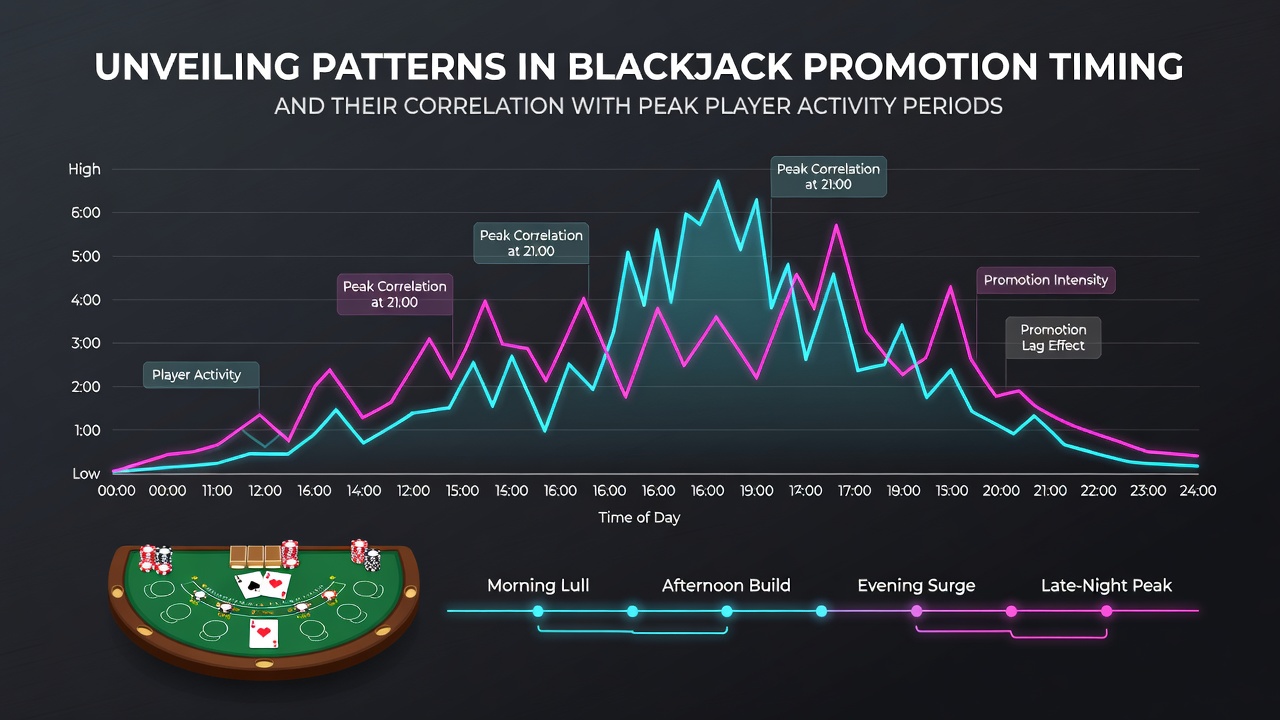
Analysts tracking online and land-based blackjack operations have mapped recurring cycles where promotional releases align closely with documented surges in player logins and table occupancy. Research from multiple jurisdictions shows these alignments occur most reliably during Friday through Sunday evening windows, with secondary spikes emerging around mid-month pay cycles and holiday weekends.
Mapping Player Activity Peaks Across Platforms
Traffic data compiled by platform operators reveals consistent hourly and daily rhythms. Activity climbs sharply after 6 p.m. local time on weekdays, reaches its highest density between 8 p.m. and midnight on weekends, and drops noticeably after 2 a.m. Studies conducted across regulated markets in North America and Europe confirm that the largest single-day volumes occur on Saturdays, followed closely by Fridays and Sundays. Mid-week lulls appear most pronounced on Tuesdays and Wednesdays, when login rates fall 25 to 35 percent below weekend averages according to figures released by the New Jersey Division of Gaming Enforcement.
Seasonal overlays add further texture. Summer months exhibit extended evening plateaus, while winter periods compress activity into shorter but more intense bursts around major sporting events. Observers note that these patterns hold steady year after year, giving operators reliable windows for targeted outreach.
Timing Mechanisms Behind Current Promotions
Operators release bonus codes, deposit matches, and cashback offers in deliberate sequences that mirror the activity curves described above. Thursday afternoon distributions frequently precede Friday evening surges, allowing players time to claim offers before peak hours begin. Sunday evening reloads serve a similar purpose for the following week’s slower start. Data collected through player tracking systems shows these releases produce measurable upticks in session length when deployed 12 to 18 hours ahead of documented traffic peaks.
Multi-state operators further refine delivery by adjusting time zones and regional calendars. A promotion launched at 4 p.m. Eastern Time, for example, can capture both East Coast evening players and West Coast afternoon users within the same campaign window. The Alcohol and Gaming Commission of Ontario has documented similar staggered release strategies among platforms licensed in that province, confirming the practice extends beyond U.S. borders.
Measured Correlations and Resulting Adjustments
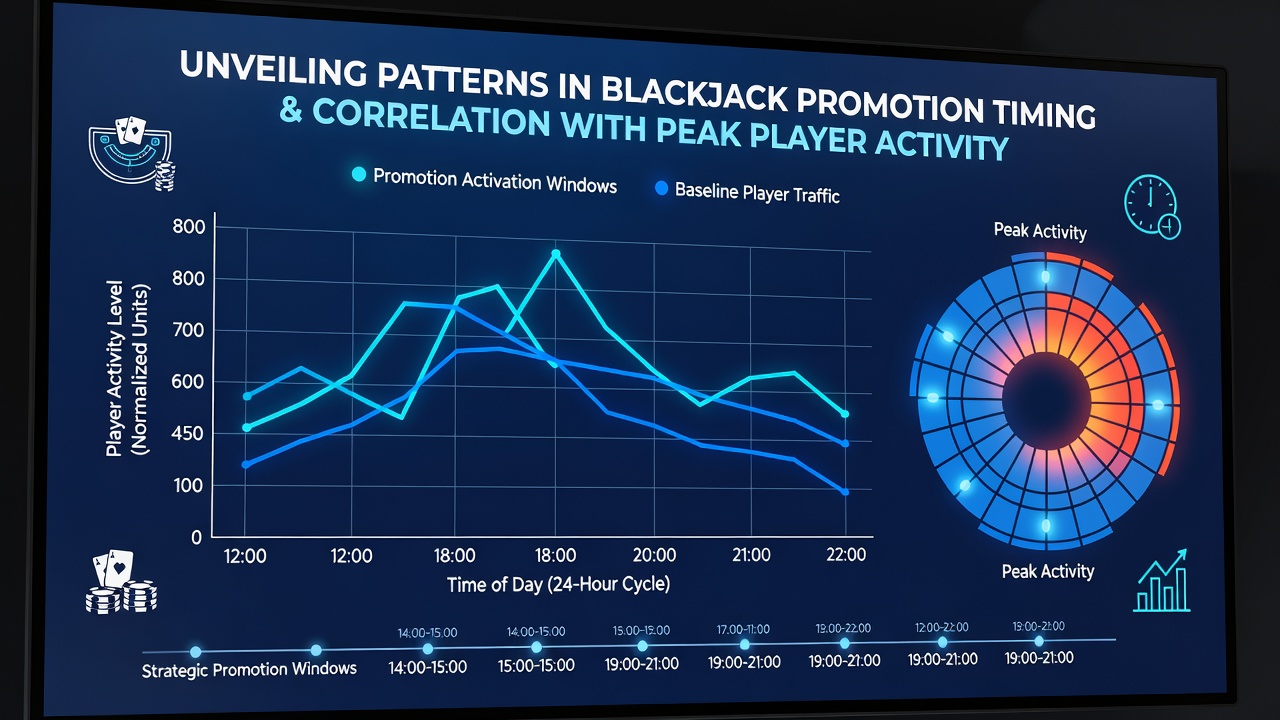
Statistical reviews of bonus redemption logs paired with concurrent traffic metrics demonstrate clear positive correlations. When offers drop during the 24-hour period immediately preceding a known peak, redemption volume rises between 40 and 60 percent compared with mid-week releases. Conversely, promotions issued during documented troughs show lower engagement and shorter average play sessions. Platform teams respond by shifting more than 70 percent of scheduled campaigns into the pre-peak window, a practice now standard across major multi-jurisdictional sites.
Additional layers appear when loyalty tiers enter the analysis. High-volume players receive earlier notifications, sometimes 36 hours ahead, while general lists receive the same offer closer to the actual traffic spike. This staggered communication produces a cascading effect where initial redemptions from premium members help seed table liquidity that later arrivals encounter.
Regulatory Context and Forward Projections
July 2026 remains a reference point in several jurisdictions currently evaluating expanded licensing frameworks. Regulatory filings indicate that any new market entries will likely inherit existing data-reporting requirements around promotional timing, giving analysts additional datasets for refining correlation models. Current operators already prepare internal calendars that extend through that period, incorporating expected regulatory milestones into their release schedules.
Cross-platform comparisons reveal that markets with stricter advertising windows tend to compress promotion cycles into narrower pre-peak bands. Those with more flexible rules spread releases over longer lead times, yet still anchor the majority of campaigns to the same underlying activity rhythms. The resulting picture shows timing precision rather than volume as the primary driver of engagement lift.
Conclusion
Patterns linking blackjack promotion timing to peak player activity continue to guide operational decisions across regulated environments. Evidence from traffic logs, redemption records, and regulatory reports demonstrates that aligning release schedules with established daily, weekly, and seasonal rhythms produces consistent increases in participation metrics. As additional jurisdictions finalize licensing rules ahead of 2026, these timing frameworks are expected to remain central to how operators structure and deliver player incentives.