Data-Driven Distribution of Blackjack Incentives: How Casinos Tailor Offers to Individual Play Patterns
Written by Carlo Neumann · May 27, 2026
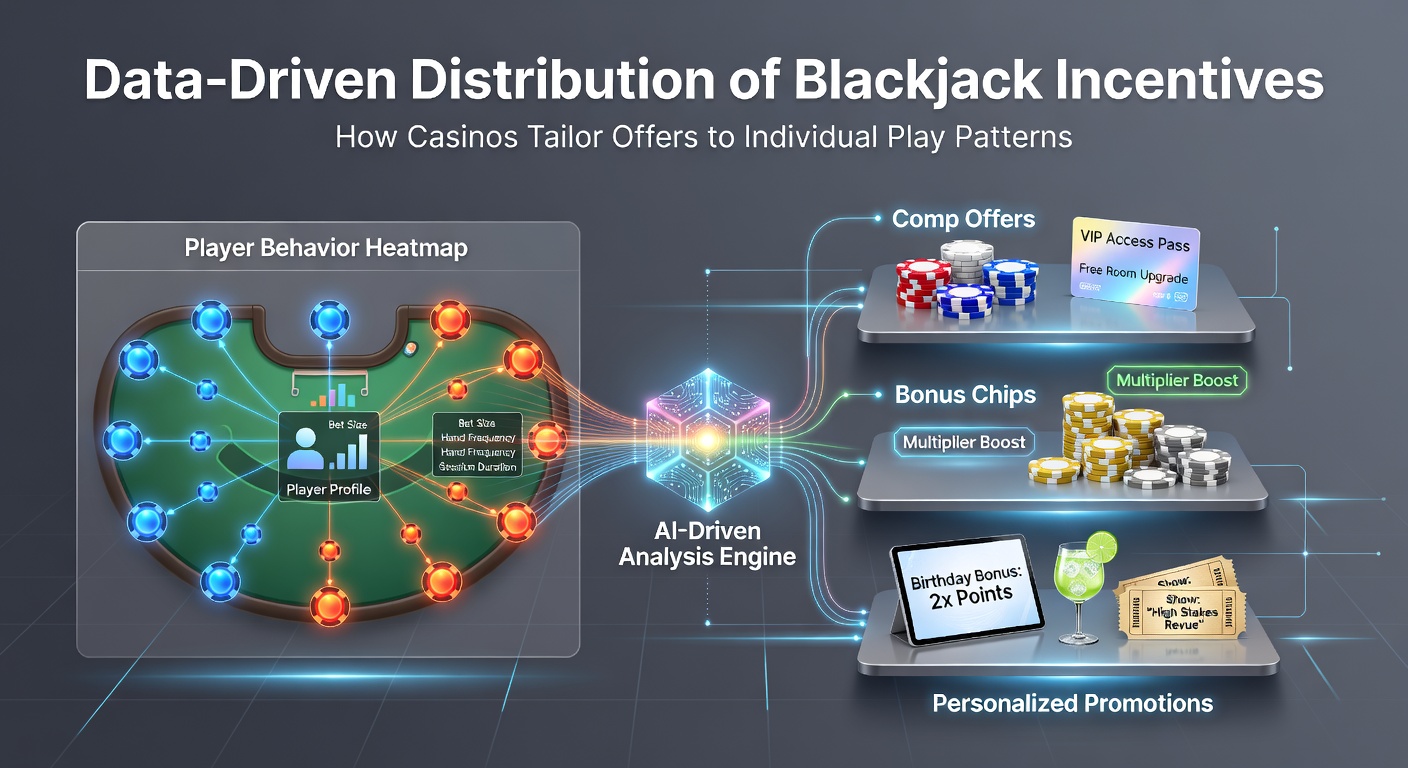
Data-Driven Distribution of Blackjack Incentives: How Casinos Tailor Offers to Individual Play Patterns
Casinos collect extensive player information through loyalty programs and electronic tracking systems that monitor blackjack sessions in detail, including bet sizes, session lengths, and frequency of visits, which allows operators to segment customers and distribute incentives accordingly. Systems record every hand played when participants insert player cards, generating datasets that reveal patterns such as high-stakes consistency or weekend-only participation.
Player Tracking Infrastructure
Modern casinos rely on integrated software platforms that link table games to central databases, where algorithms process real-time inputs from card readers and betting sensors. These tools categorize participants into tiers based on theoretical win rates calculated from average wagers multiplied by hands per hour and house edge percentages. Observers note that a player averaging $50 bets over 200 hands monthly might receive different offers than one placing $200 bets sporadically, since the data highlights lifetime value rather than single-session totals.
Pattern Analysis Techniques
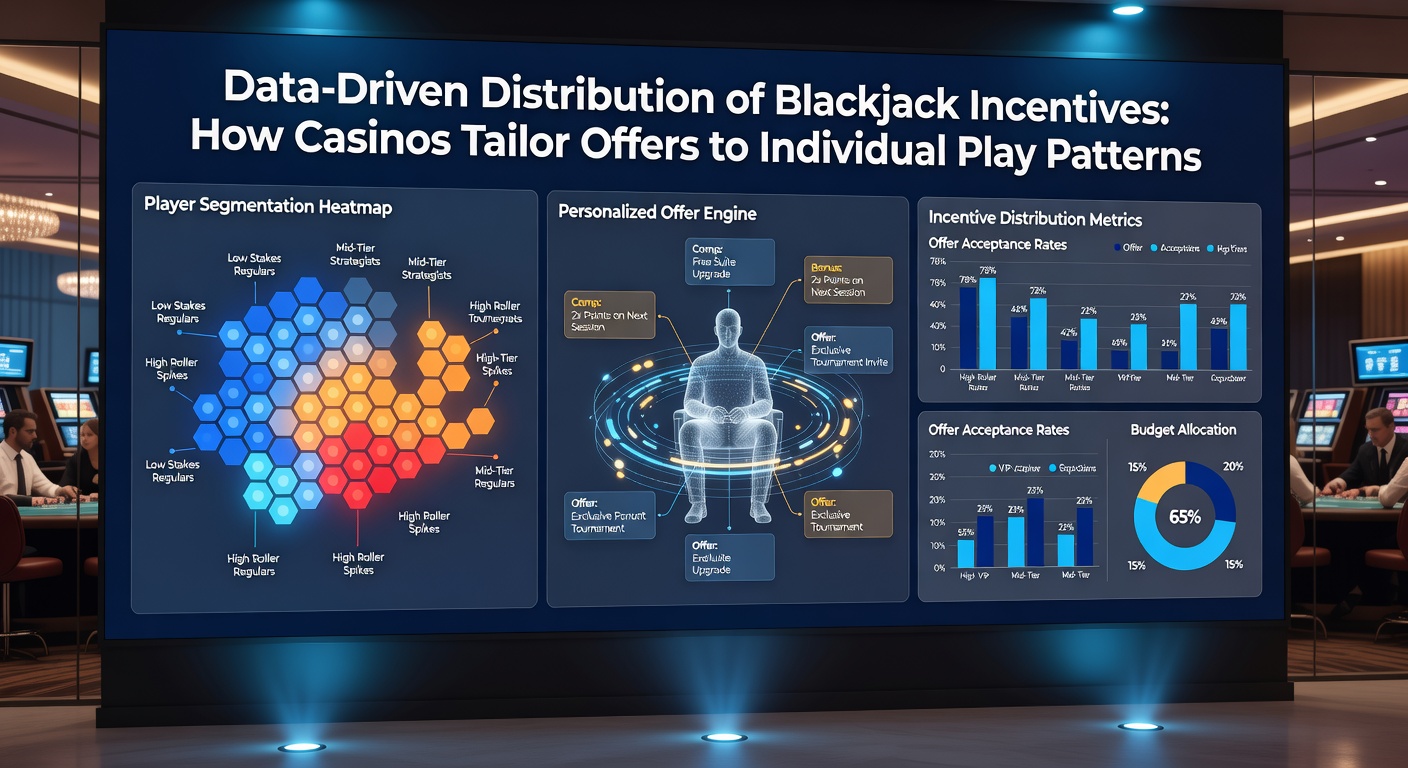
Analytics teams examine variables like time of day, game variants chosen, and response rates to prior promotions while applying clustering methods to group similar profiles. Data indicates that individuals who increase bets after wins often receive reload bonuses timed to their next expected visit, whereas those who chase losses might see free-play credits designed to extend engagement without raising risk exposure. Research from industry reports shows segmentation improves redemption rates by aligning rewards with demonstrated behaviors, such as midweek play or multi-table sessions.
Customization of Incentives
Once patterns emerge, marketing departments generate personalized offers that include match bonuses scaled to recent action, room comps for frequent visitors, or tournament entries reserved for those meeting volume thresholds. Casinos adjust these dynamically, with systems flagging when a participant's activity drops and triggering retention campaigns that reference specific metrics like total hands dealt in the prior quarter. Figures from gaming associations reveal that such tailoring reduces churn among mid-tier players by matching incentives to actual rather than assumed preferences.
Geographic differences appear in regulatory environments, where operators in jurisdictions with strict reporting requirements maintain audit trails for all targeted promotions. Those who've studied these systems know that Australian venues, for instance, integrate data from state-licensed monitoring bodies to ensure offers comply with responsible gambling guidelines while still leveraging play history. Similar approaches surface in North American markets ahead of projected platform upgrades scheduled for May 2026, when enhanced AI modules are expected to refine prediction accuracy for incentive timing.
Integration with Broader Loyalty Frameworks
Blackjack-specific data feeds into overarching reward ecosystems that combine table performance with slots or sports betting activity, creating unified profiles that trigger cross-game bonuses. A participant strong in blackjack but light elsewhere might receive hybrid offers encouraging exploration, supported by evidence that diversified play increases overall retention. Industry organizations document how these connections allow precise allocation of marketing budgets, directing resources toward segments showing the highest projected return based on historical trends.
External factors such as economic shifts or seasonal tourism also influence distribution models, prompting casinos to recalibrate thresholds during slower periods. Data shows adjustments often involve temporary elevation of comp values for core players to maintain volume, with algorithms predicting which incentives will yield the strongest response without exceeding allocated costs.
Conclusion
The practice of tailoring blackjack incentives through play-pattern analysis continues to evolve as casinos refine their data capabilities and regulatory landscapes adapt. Accurate tracking combined with segmented distribution supports efficient resource use while providing participants with rewards aligned to their documented activity levels.