California Court Limits Bureau of Gambling Control Authority Over Cardroom Blackjack Rules
Written by Clara Powell · Aug 2, 2026

California Court Limits Bureau of Gambling Control Authority Over Cardroom Blackjack Rules
A San Francisco Superior Court judge issued a ruling that the state Bureau of Gambling Control does not hold authority to impose new restrictions on blackjack-style games at California cardrooms, striking down regulations that tribal casinos had advocated for and that would have limited player-dealer positions while banning certain 21-hand target games.
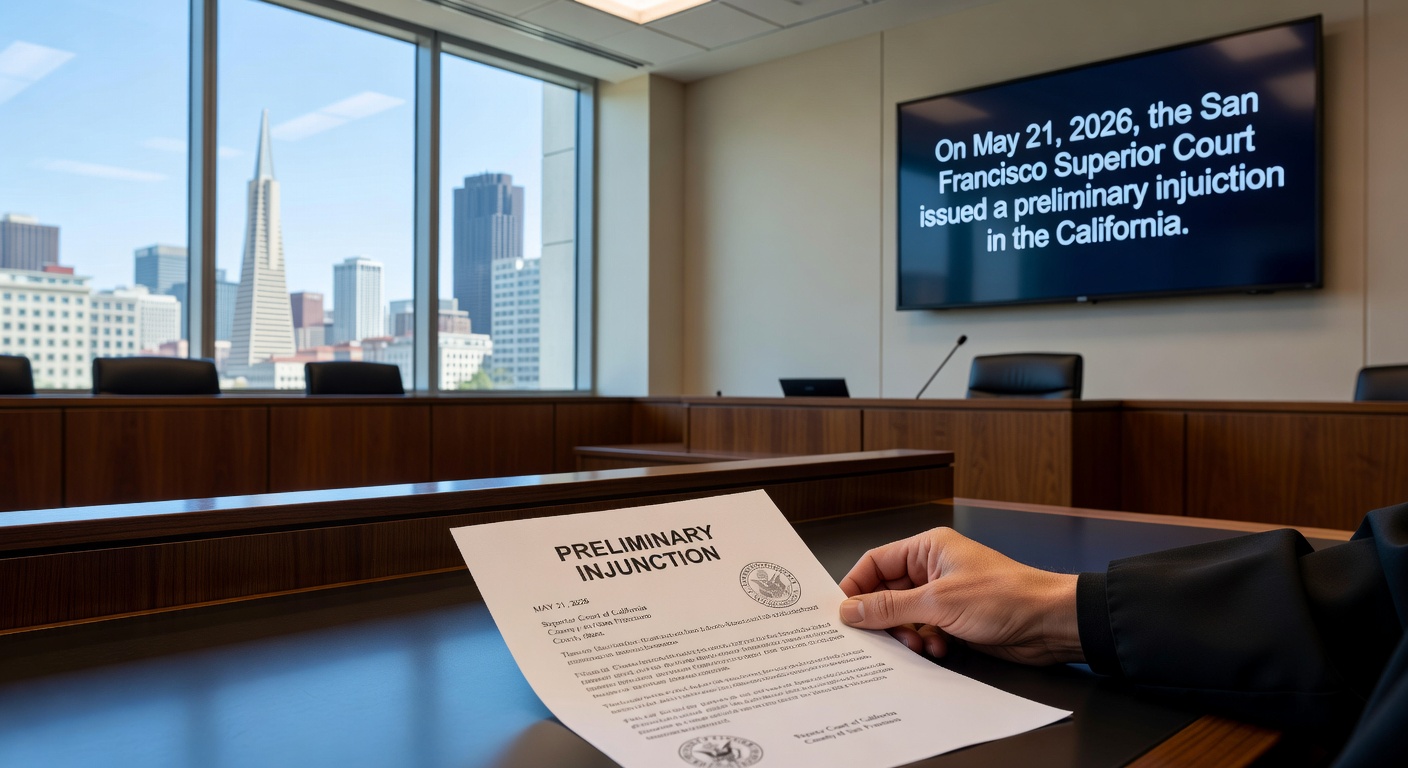
The decision builds directly on a preliminary injunction granted in May, and it safeguards substantial tax revenue streams for municipalities including San Jose where Casino M8trix and Bay 101 operate as major contributors to local budgets.
Background of the Legal Challenge
Cardroom operators challenged the proposed regulations through the California Gaming Association, arguing that the Bureau exceeded its statutory powers when it attempted to reshape how player-dealer positions function and which blackjack variants could remain available. Observers note that the regulations emerged after pressure from tribal interests seeking to curb competition in the state’s cardroom sector, yet the court found no legislative grant of authority for those specific measures.
The ruling arrives in July 2026 and remains in effect as August 2026 begins, allowing cardrooms across the state to continue operating under existing rules without the threatened limitations on dealer rotations or game formats.
Impact on Local Government Revenue
Cities such as San Jose rely on cardroom taxes and fees to fund public services, and the court’s order prevents abrupt revenue shortfalls that would have followed implementation of the struck-down rules. Data from city budget documents show that establishments like Casino M8trix and Bay 101 generate millions annually in local taxes, money that supports infrastructure and community programs without drawing from state general funds.
According to local reporting, the preserved revenue streams now extend through the current fiscal cycle and into subsequent budget planning periods for affected municipalities.
Next Steps and Potential Appeal
The Attorney General’s office retains the option to file an appeal, which would move the case to a higher court for further review of the Bureau’s regulatory reach. Legal analysts point out that any appeal would focus on whether the Bureau’s actions fell within implied powers granted by existing gambling statutes rather than explicit legislative directives.
Meanwhile cardroom operators continue normal business operations while monitoring developments from the state capital. Industry groups have scheduled informational sessions for August 2026 to update members on compliance requirements that remain unchanged following the Superior Court decision.
Broader Context Within California Gaming
California maintains a dual system of tribal casinos operating under compacts and cardrooms licensed at the local level, creating ongoing tension over game types and revenue allocation. The court’s interpretation reinforces the separation between these sectors by confirming that the Bureau cannot unilaterally alter cardroom game structures without clearer statutory backing.
Stakeholders on both sides continue to review the full opinion as they prepare filings or operational adjustments that may arise once the appeal window closes or opens depending on state action.
Conclusion
The San Francisco Superior Court ruling clarifies the boundaries of regulatory authority for the Bureau of Gambling Control regarding blackjack-style offerings at cardrooms and preserves existing tax arrangements for cities that host these venues. As August 2026 progresses, the decision stands unless higher courts intervene, allowing cardrooms to maintain current player-dealer and game formats while local governments retain associated revenue. Further developments hinge on whether the Attorney General proceeds with an appeal and how any subsequent proceedings interpret the scope of the Bureau’s mandate under state law.