California Cardrooms Fight Back: Lawsuits Challenge Blackjack Ban and Player-Dealer Rules Ahead of April 2026 Deadline
Written by Clara Powell · Apr 24, 2026

California Cardrooms Fight Back: Lawsuits Challenge Blackjack Ban and Player-Dealer Rules Ahead of April 2026 Deadline
California's cardroom industry, a staple in communities across the state, faces a pivotal showdown as gaming groups launch legal challenges against upcoming regulations; these rules, set to reshape operations in the state's 72 cardrooms, target blackjack-style games and player-dealer rotations, sparking two lawsuits filed in San Francisco Superior Court.
The California Gaming Association, backed by the California Cardroom Alliance and Communities for California Cardrooms, took action recently, filing the suits against rules from Attorney General Rob Bonta's Department of Justice; approved in early February 2026 and slated for effectiveness on April 1, 2026, the regulations prohibit certain blackjack-style offerings while limiting how player-dealers rotate in games, a move operators describe as regulatory overreach with dire economic fallout.
Cardrooms must submit compliance plans by May 31, 2026, but industry representatives argue the changes threaten thousands of jobs and substantial tax revenues; figures point to potential 13,000 layoffs statewide, hitting hard in cities like Hawaiian Gardens, Commerce, and San Jose, where cardrooms serve as economic anchors supporting local budgets through gaming taxes and related spending.
The Regulations at the Center of the Storm
What's interesting here involves the specifics of the Department of Justice's rules, which clamp down on games resembling traditional blackjack; in California cardrooms, unlike Las Vegas casinos, players traditionally bank the games through a player-dealer system, rotating the banking role to keep operations house-neutral and compliant with state laws prohibiting house-banked gambling.
But these new mandates ban what regulators call "banked" blackjack-style games—think variations like California Blackjack or similar setups where one player acts as dealer—and restrict rotations to prevent what authorities see as skirting the spirit of the law; the rules emerged from ongoing efforts by the California Department of Justice, which has scrutinized cardroom practices for years, aiming to close perceived loopholes that mimic casino-style play.
Industry data highlights the scale: California's 72 licensed cardrooms employ over 20,000 people directly, generating hundreds of millions in annual tax revenue; observers note that cities dependent on these venues, such as Commerce with its massive Commerce Casino or Hawaiian Gardens' storied cardroom, could see budgets slashed without the income from player bets and ancillary activities like dining and events.
Take Commerce, for instance, where the cardroom contributes significantly to municipal coffers; local figures reveal that gaming taxes fund public services, from schools to infrastructure, making any disruption—like the impending April 1 rollout—a potential crisis for city planners scrambling to adapt.
Timeline of Changes and Compliance Demands
The clock ticks toward April 1, 2026, when the rules activate, forcing cardrooms to overhaul game floors overnight; operators face a tight window, with compliance plans due by May 31, detailing how they'll pivot away from banned formats while maintaining viability.
And while some venues experiment with alternatives like non-banked poker variants, the suits contend that the restrictions undermine the player-dealer model that's defined California cardrooms since their legalization decades ago; this system, where players fund teh bank and rotate duties, distinguishes the state's gaming from Nevada's house-dominated model, fostering a unique ecosystem that's weathered economic ups and downs.
Details of the Lawsuits and Key Players
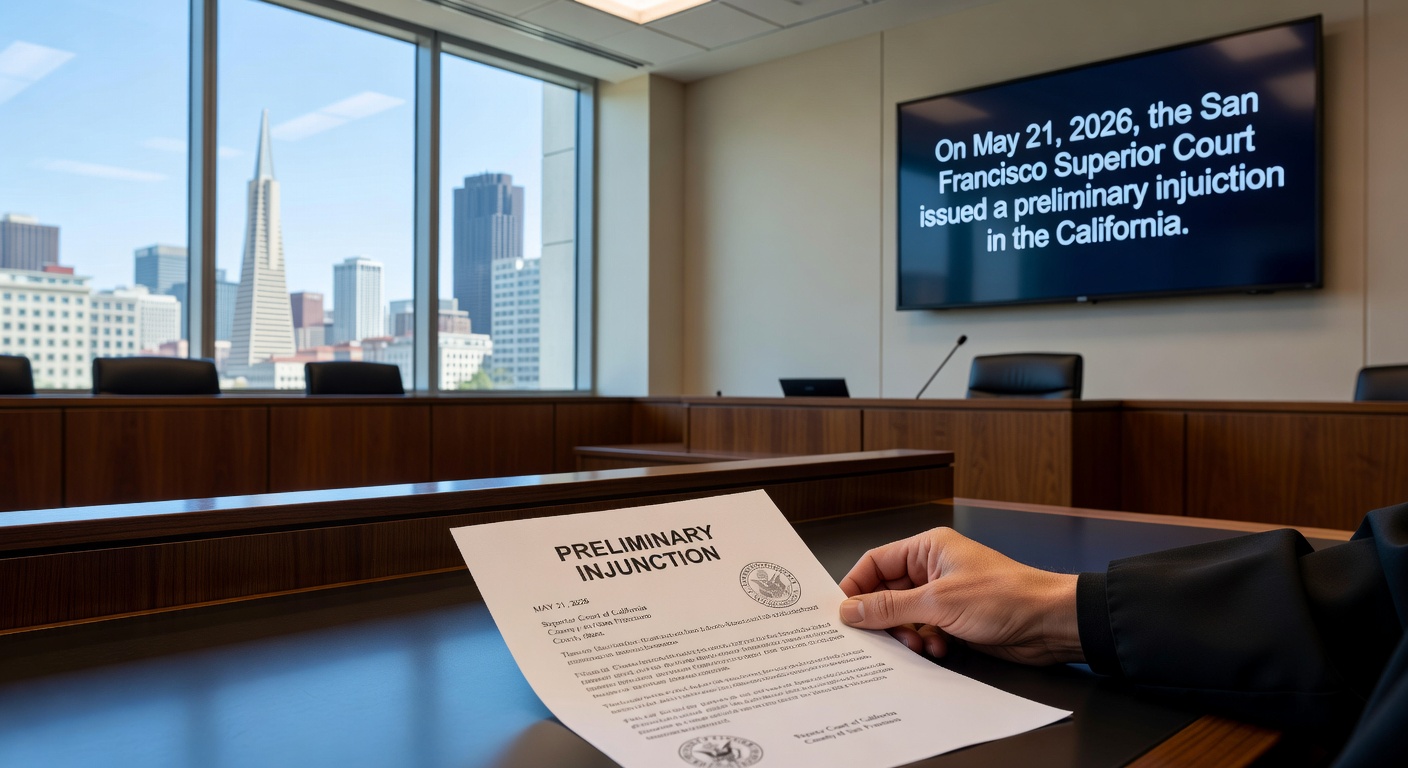
The two lawsuits, lodged in San Francisco Superior Court, name the Department of Justice as defendant, seeking injunctions to halt the rules before they upend operations; the California Gaming Association leads the charge, representing cardroom interests statewide, while the California Cardroom Alliance and Communities for California Cardrooms provide grassroots support from operators and local advocates.
Documents in the filings, as reported by the Orange County Register, lay out claims of arbitrary rulemaking, asserting that the DOJ exceeded its authority by reinterpreting long-standing practices without legislative backing; plaintiffs argue the bans ignore the economic reality, where blackjack-style games draw crowds and sustain employment amid fluctuating tourism.
Here's where it gets interesting: San Jose's cardrooms, for example, support thousands of jobs in the South Bay area, contributing to a region known more for tech than gaming; data from industry reports shows these venues generated over $100 million in taxes last year alone, underscoring the stakes as lawsuits seek emergency stays to preserve the status quo through summer 2026.
Communities for California Cardrooms emphasizes local impacts, noting how closures or downsizing in places like Hawaiian Gardens—home to one of the nation's largest cardrooms—could ripple through small-town economies, affecting suppliers, hospitality workers, and even nearby retailers who thrive on player traffic.
Economic Projections and Broader Implications
Projections cited in the suits paint a stark picture: 13,000 layoffs loom if the rules stick, translating to lost wages and reduced consumer spending in host communities; tax revenue shortfalls, potentially in the tens of millions annually, force cities to eye alternatives like sales tax hikes (though that's a story for another day), straining already tight budgets.
Yet cardroom advocates point to precedents, like past regulatory battles where courts sided with operators on player-dealer freedoms; the American Gaming Association, while not directly involved, has tracked similar disputes, noting California's unique non-tribal gaming landscape where cardrooms fill a niche outside Native American casinos.
So as April 2026 approaches, operators hold strategy sessions, tweaking floor plans while legal teams push for hearings; the ball's in the court's court now, with outcomes that could redefine how 72 venues navigate the fine line between innovation and regulation.
People who've followed this beat know the pattern: California's gaming laws evolve through tension between expansionists and enforcers, but data indicates cardrooms have adapted before—whether to post-pandemic recoveries or tech-driven betting shifts—emerging leaner yet resilient.
Affected Games and Operational Shifts
At the heart lie blackjack-style games, popular draws where players bet against a rotating bank; regulations deem these too casino-like, mandating their removal alongside curbs on rotation frequency to curb what regulators call "professional banking" that edges toward house advantage.
Cardrooms pivot toward pure poker tables or approved hybrids, but experts observe that foot traffic drops without the allure of quick-play card games; one venue manager, speaking anonymously, noted early tests showing 20-30% revenue dips in pilot shifts, hinting at the challenges ahead even if lawsuits falter.
Historical Context of California Cardroom Regulations
California's cardroom scene traces back to teh 1980s, when voter-approved initiatives greenlit player-banked poker houses as a workaround to strict anti-casino statutes; over decades, blackjack variants crept in via player-dealer ingenuity, boosting popularity until DOJ scrutiny intensified around 2020 amid complaints from tribal casinos wary of competition.
Turns out, this isn't the first clash: previous rulings affirmed rotations as legal, but evolving interpretations—fueled by enforcement pushes—led to February 2026's approval; stakeholders like the California Cardroom Alliance have lobbied Sacramento for clarity, arguing the rules ignore ballot measures that legalized these formats.
Now, with suits underway, all eyes turn to San Francisco Superior Court judges who must weigh economic data against regulatory intent; filings include affidavits from economists projecting not just layoffs but multiplier effects, where each job supports 2-3 others in supply chains.
It's noteworthy that cities like Commerce, generating over $50 million yearly from its casino, face the brunt; Hawaiian Gardens, with its community-focused cardroom, relies on gaming for a third of its budget, per local disclosures, making the May compliance deadline a flashpoint for fiscal planning.
Conclusion
The lawsuits represent a high-stakes gambit by California's cardroom coalition, challenging DOJ rules that promise to ban blackjack-style games and reshape player-dealer dynamics starting April 1, 2026; with 13,000 jobs and vital tax streams on the line for hubs like Hawaiian Gardens, Commerce, and San Jose, the San Francisco Superior Court holds the key to whether operators submit compliance plans by May 31 or secure relief through judicial intervention.
Observers track this closely, as resolutions could set precedents for player-banked gaming nationwide; while cardrooms adapt amid uncertainty, the underlying tension—balancing innovation with oversight—persists, ensuring California's gaming landscape remains as dynamic as the hands dealt at its tables.